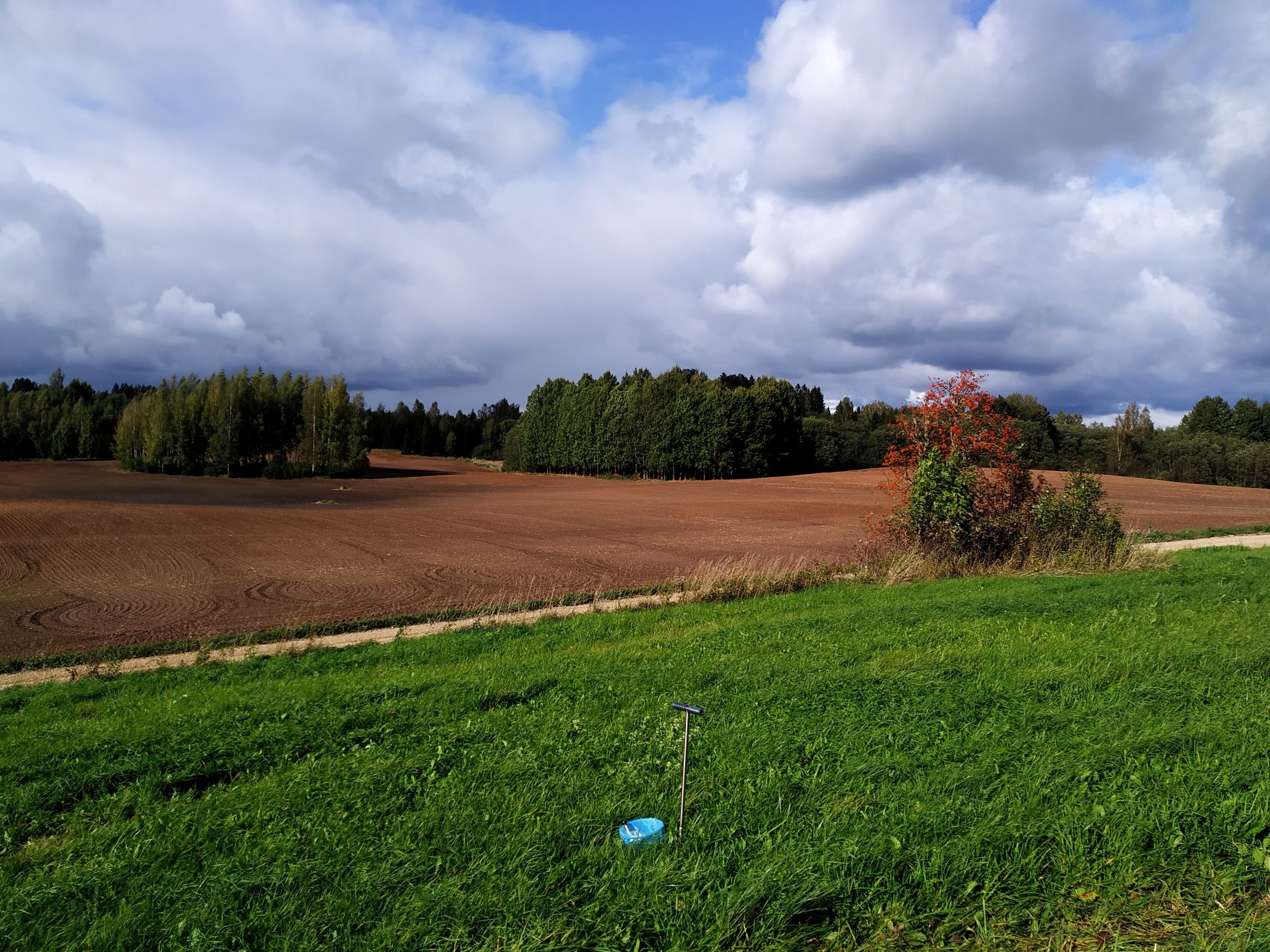

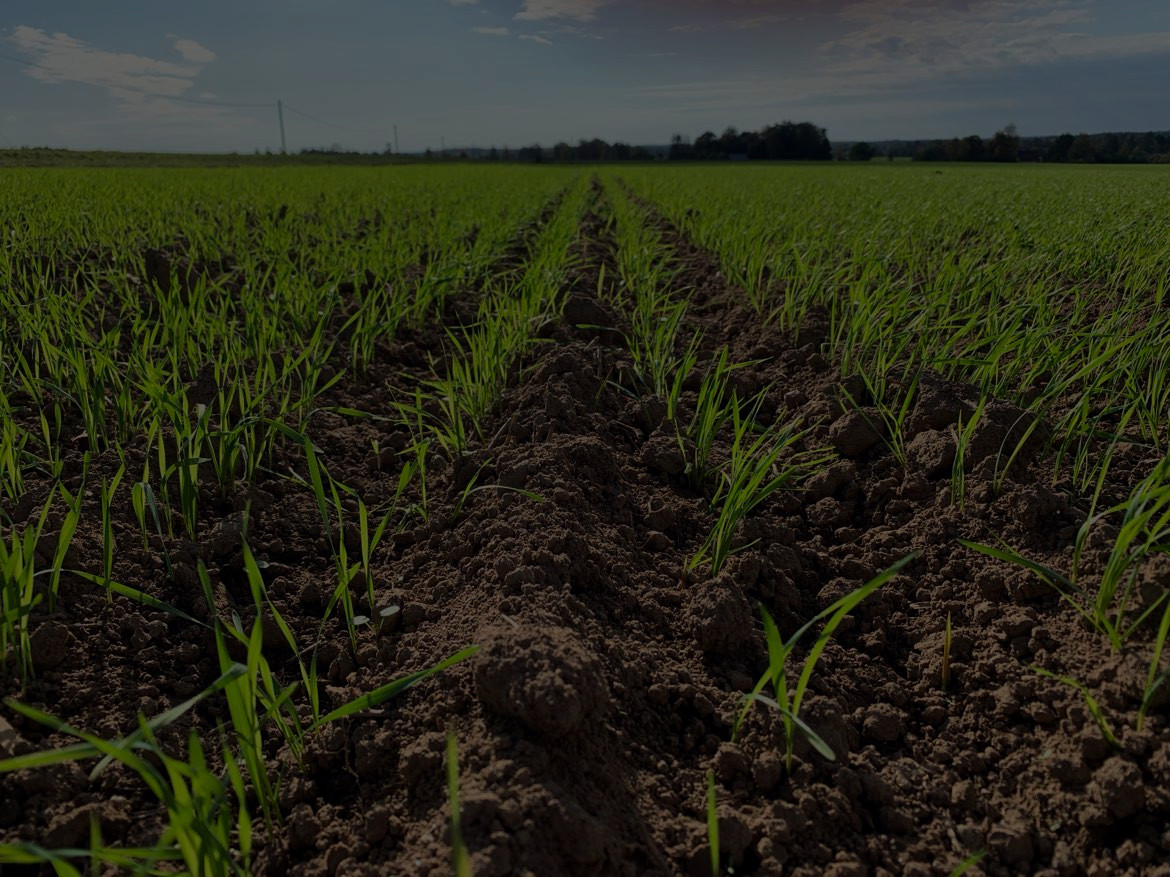
We connect basic science with practice and create evidence-based management guidelines to help maintain and restore soil biodiversity.
We are interested in patterns of soil biodiversity and its variation in natural and human-influenced systems. Our special focus is on fungi, including mycorrhizal fungi, but also bacteria, greenhouse gases and agricultural land-use.

NEWS
-
New greenhouse experiment investigates the role of soil biota in ecosystem functioning
In mid-May, we started a new greenhouse experiment in the Soil Ecology Working Group, which aims to study the impact of soil biodiversity and species’ ecological niches on ecosystem functions. The soils used in the experiment come from 50 fields in Southern Estonia, which have previously been studied within the framework of the FunFarm project.…

-
Celebrating Sarkal’s 2nd prize for his poster!
We are thrilled to share some wonderful news from the soil ecology team – our PhD student Sarkal Jyakhwa has been awarded 2nd prize in the poster competition at the conference “MSCA in Estonia: Strengthening Research through International Talent”, held on 20 May 2026 in Tartu, Estonia. This was a landmark event: the very first MSCA…

-
Soil ecology working group enjoyed a spring field trip in Taevaskoja
On May 5, 2026, the soil ecology working group went on a spring field trip to the hiking trails of Taevaskoja. Sunny weather and birdsong provided a refreshing change from the daily office and classroom work. The trip actively focused on observing spring nature. Among other things, we managed to see a common slow worm…

-
The Soil Ecology Team Shared Its Knowledge at the Agricultural Fair Maamess
The Annual Agricultural Fair Maamess took place in Tartu from April 23–25, 2026. This year, 40,192 people visited the fair, and we were one of the fair’s 448 exhibitors. For the first time, the soil ecology team had a booth at the fair to share information about soil life and health. Fair visitors could explore…
-
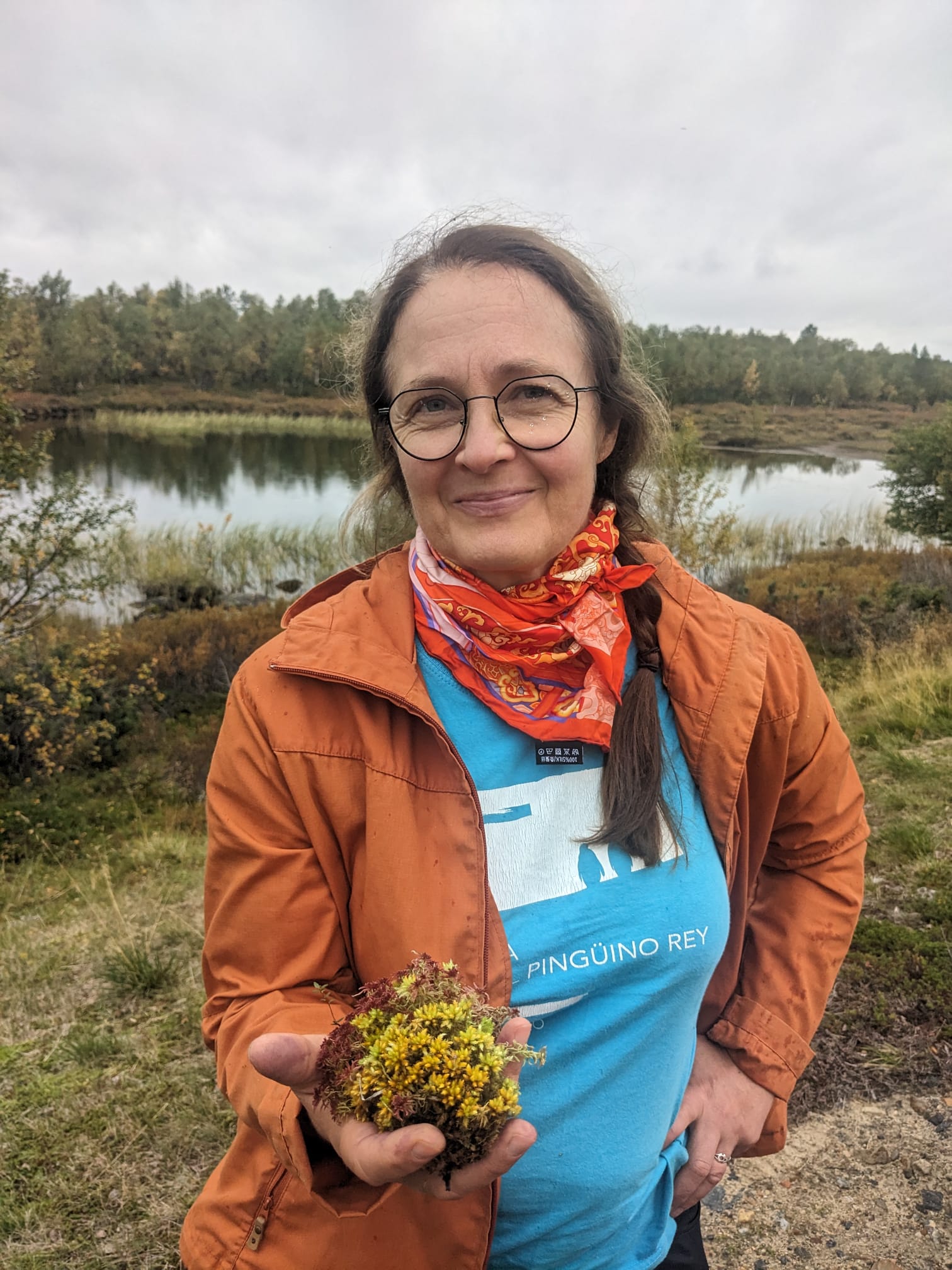
Prof. Maarja Öpik awarded national Order of the White Star
Ahead of the anniversary of the Republic of Estonia, President Alar Karis recognized 203 outstanding people with national decorations, including Academician, Director of ÖMI and Professor in Molecular Ecology Maarja Öpik. Prof. Maarja Öpik was awarded the Order of the White Star of the Republic of Estonia, 3rd Class. Prof. Öpik focuses her research on…
-
Bringing Green Thinking to January: Soil Ecology Workshop at Northern Roots Forum
During the dark and cold days of January, the Northern Roots Forum on Regenerative Agriculture brought warmth, inspiration, and collaboration to the farming community. Spanning two days, the forum gathered hundreds of farmers, researchers, and agronomists to share knowledge, experiences, and practical solutions for building resilient agricultural systems. A highlight of the event was the…

Soil Ecology

Who lives in the soil? What is their role there? How do they interact with each other?
How do management and natural disturbances affect soil organisms?
These are questions that the Soil ecology workgroup at the University of Tartu is investigating.
Our special focus is on fungi, including mycorrhizal fungi, but also bacteria, greenhouse gases and agricultural land-use. We are interested in patterns of soil biodiversity and its variation in natural systems such as grasslands and forests, and in human-influenced systems such as arable fields and disturbed areas.
We connect basic science with practice and create evidence-based management guidelines to help maintain and restore soil biodiversity. The soil is alive and the soil biota within it is what keeps the soil, plants and entire ecosystems functioning.